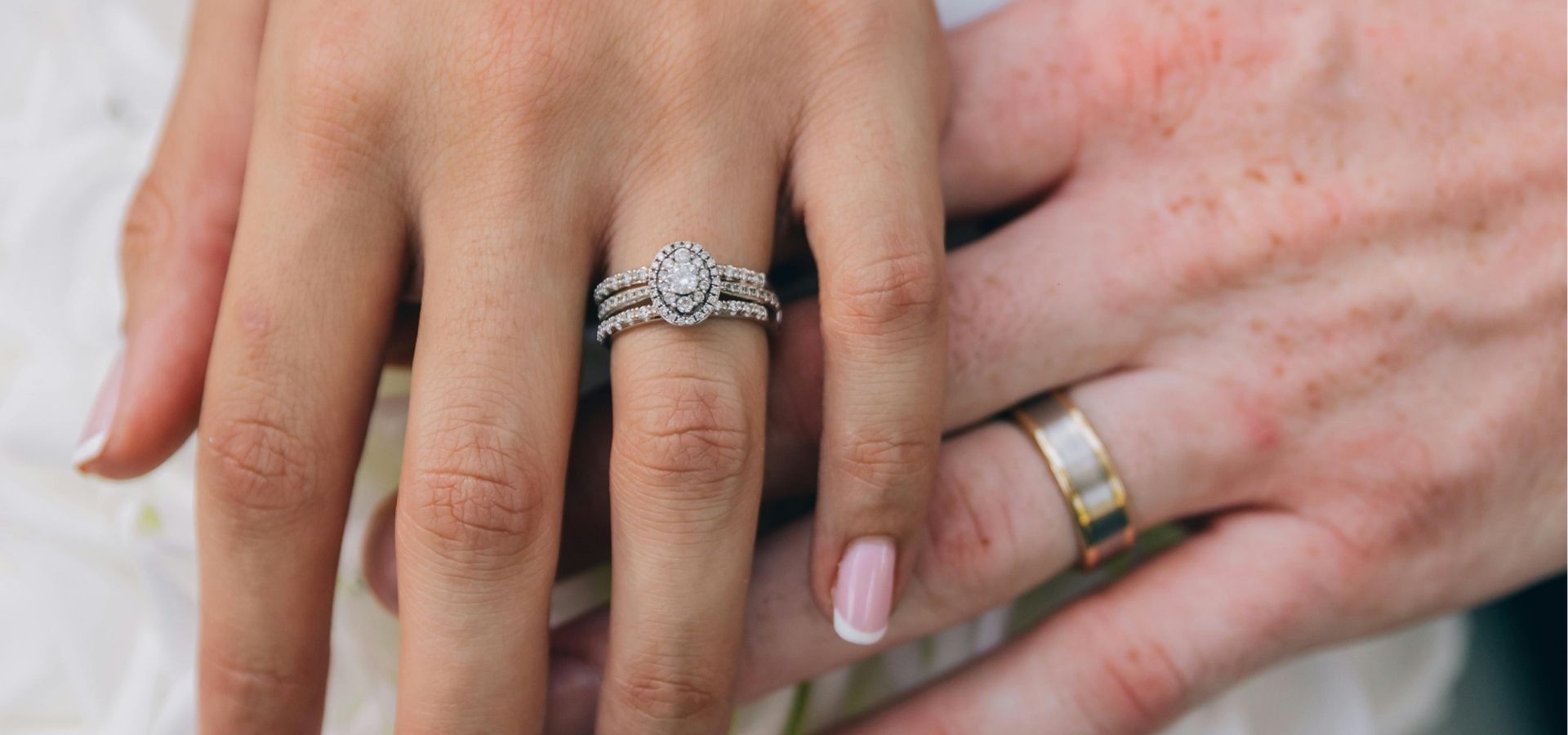
Choosing where to wear your wedding ring might seem like a small detail, but it tends to open up surprisingly big conversations. Couples encounter this question early in the planning process, and the answers are rarely as simple as they’d expect. The wedding ring finger carries centuries of symbolism, cultural meaning, and a few enduring myths that continue to shape the way we celebrate love.
If you’ve ever wondered why the ring sits on a specific finger, whether the left hand is truly the “right” place, or how different cultures approach this tradition, you’re in the right spot. Here’s a look at the history, the customs, and the modern twists that make this tradition meaningful for couples around the world.
What Is the Wedding Ring Finger?
In most Western cultures, the wedding ring finger is the fourth finger on the left hand. It’s where engagement rings sit before the ceremony and where the wedding band finally lands on the big day.
Here’s something that surprises a lot of people: many cultures wear their rings on the right hand instead, and some switch hands during the ceremony itself. The idea of a single, universal wedding ring finger simply doesn’t hold up. What we have instead is a rich mix of traditions, each with its own history and charm.
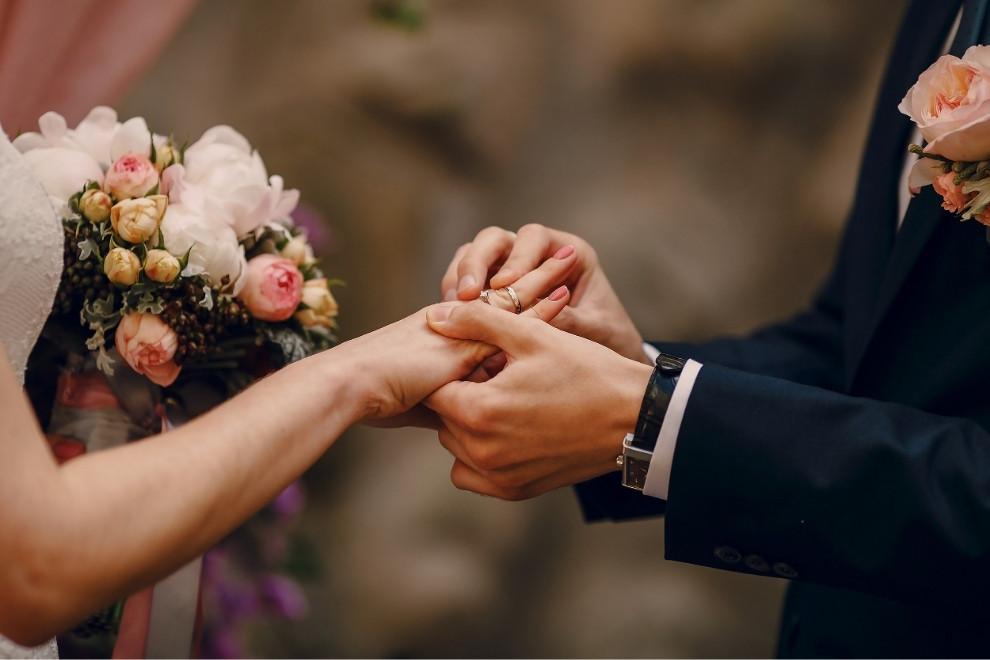
Where the Tradition Came From
Ancient Origins
The story starts with a romantic myth from ancient Rome. People believed the fourth finger on the left hand contained a special vein called the vena amoris, or “vein of love,” thought to run directly to the heart. It made the finger a natural home for a symbol of commitment.
Science has since confirmed that all fingers share similar venous pathways, but the charm of the idea lingered. That small piece of folklore helped shape a tradition that still appears in countless modern ceremonies.
Evolution Through History
By the Middle Ages, rings had become a meaningful part of Christian marriage rituals. The circular shape came to represent eternity and fidelity, and placing the ring during the ceremony reinforced the sense that the gesture carried spiritual weight.
Over time, wearing a ring became a widely recognised sign of marital status in Western society. By the time we reached modern weddings, the tradition felt almost instinctive – yet its roots remain genuinely sentimental.
Why the Left Hand?
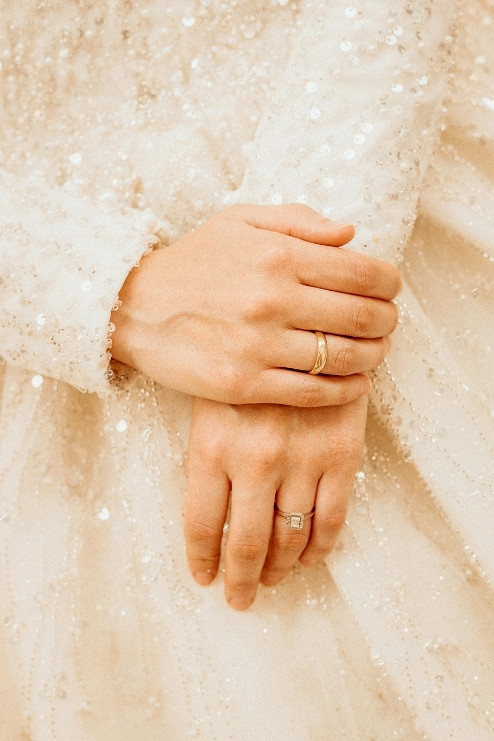
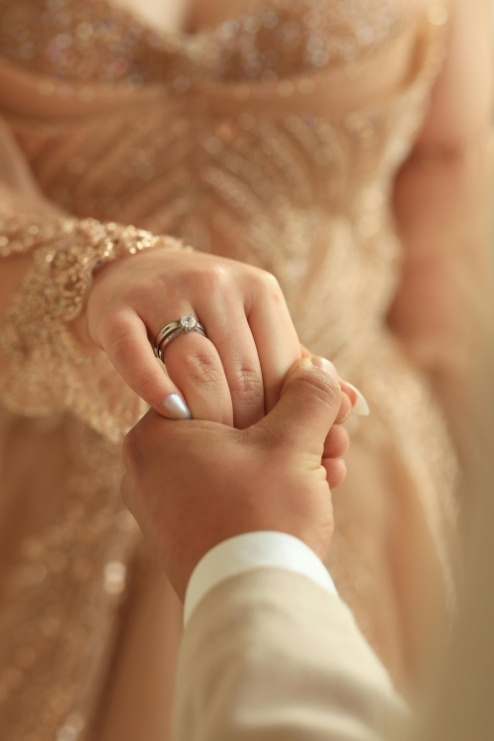
There are a few reasons the left hand became the default in so many places.
Symbolism played a big role. The early idea of wearing a ring closest to the heart was a sentiment couples weren’t in a hurry to let go of. There was also a practical angle: the left hand was historically considered less dominant, meaning the ring was less likely to take a beating during daily tasks. As Western wedding customs spread, the left-hand tradition became the standard in many regions.
That said, tradition and requirement are two very different things. Plenty of cultures, and modern couples, do things differently. That’s entirely the point.
Right-Hand Wedding Rings: Cultural Variations
Wearing a wedding ring on the right hand is far from unusual. In fact, it’s deeply rooted in tradition across several countries:
- Germany, Austria, Norway, and Denmark: Couples often wear wedding rings on the right hand. Some wear their engagement ring on the left and switch sides after the ceremony.
- Russia and Ukraine: The right hand is associated with strength and commitment.
- Greece and Portugal: Couples traditionally wear their wedding rings on the right hand.
- India: Older customs considered the left hand inauspicious, so many wore rings on the right. Today, couples tend to choose based on personal preference and comfort.
Across all of these traditions, one thing stays consistent: the ring is a symbol of love, regardless of which hand it’s on.
You May Also Be Interested In
 Wedding Dress Preservation Tips
 Rainy Day Wedding? Here Is How to Make It Gorgeous
 How to Choose a Wedding Officiant Who Actually Gets You
Engagement Ring vs. Wedding Band Placement
Wearing two rings can get a little logistically confusing. Here’s how the tradition usually plays out:
- Before the Ceremony: the engagement ring sits on the wedding ring finger of the left hand.
- During the Ceremony: some partners move their engagement ring to the right hand so the wedding band can be placed on the left ring finger without any awkward juggling.
- After the Ceremony: the engagement ring typically returns to the left hand, now worn on top of the wedding band. The reasoning: the wedding band rests closest to the heart.
This is a guideline, not a rule. Many couples settle on whatever feels most comfortable and meaningful to them.
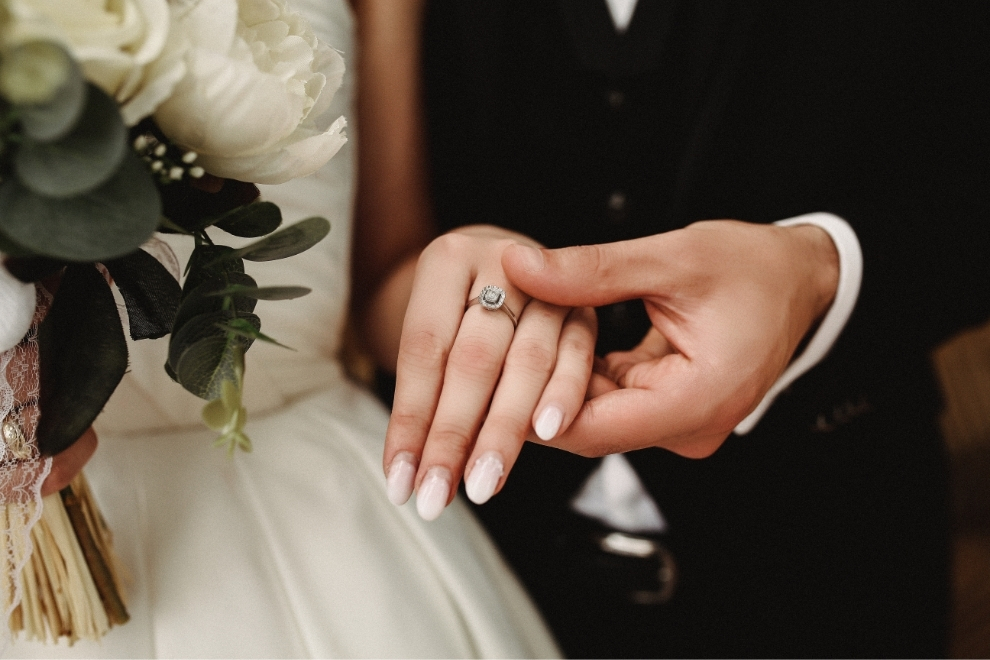
Do Both Partners Wear Wedding Rings?
In most cases today, yes. But that wasn’t always the norm. Historically, only women wore wedding rings. Men began wearing them more widely during World War II, often as a daily reminder of their partners back home. Over time, the practice became a symbol of equality and shared commitment, and it stuck.
Couples today often choose matching sets, but unique or mismatched designs are just as popular. There’s no single correct approach.
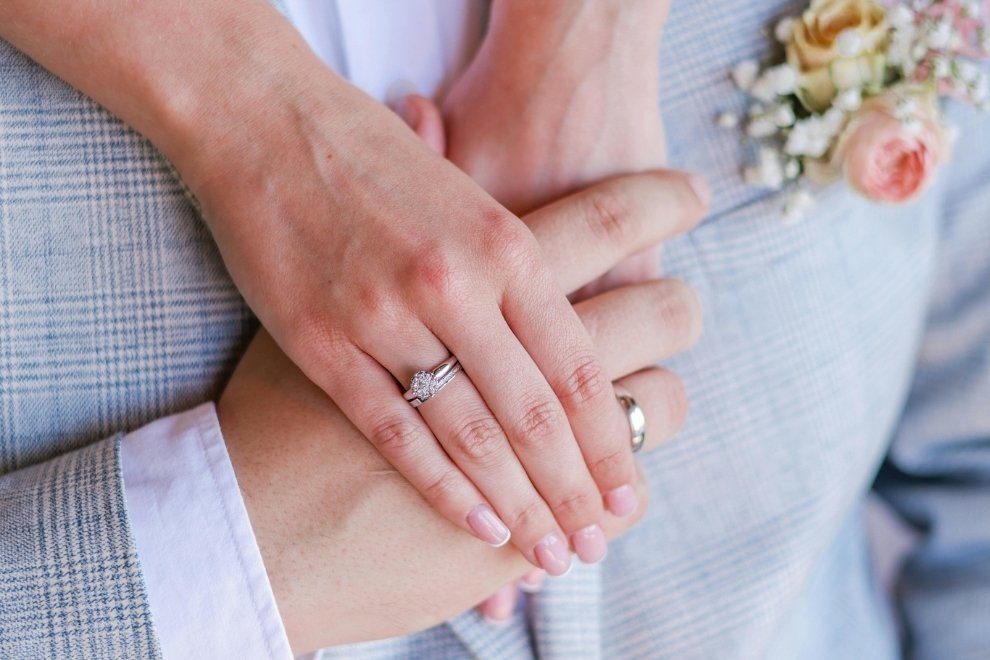
Same-Sex Couples and Modern Ring Traditions
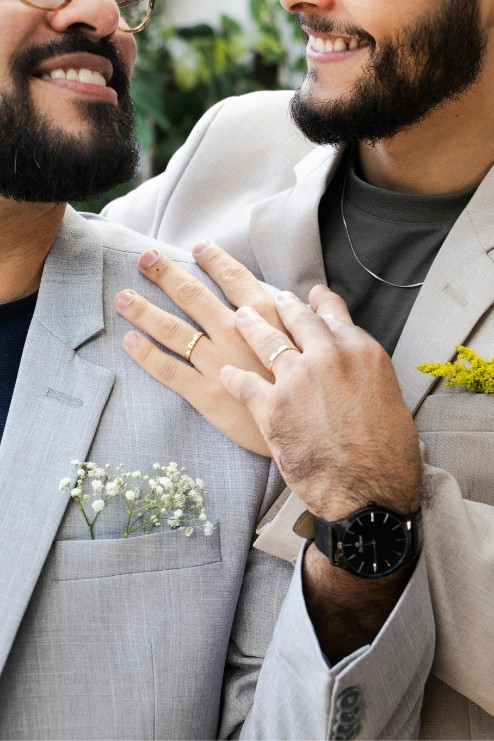
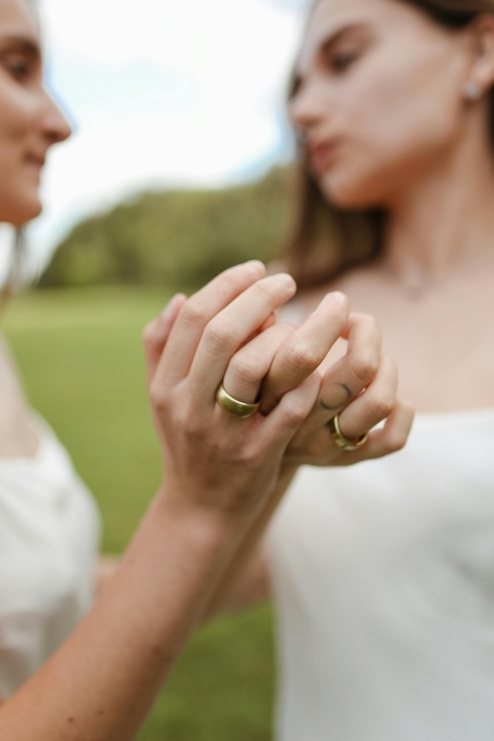
Same-sex couples have brought a refreshing openness to wedding ring traditions. Some follow the classic left-hand custom, others prefer the right, and many choose something entirely different: rings worn on a chain, alternative jewellery, or no rings at all.
What’s perhaps most significant is the shift in how these choices get made. Rather than following a tradition by default, many couples are asking what actually feels right for them. That question, and the freedom to answer it honestly, is one of the more meaningful changes in modern wedding culture. The symbol matters; the hand it’s worn on is secondary.
Alternative Choices to the Traditional Wedding Ring Finger
Not everyone connects with traditional ring wearing, and that’s completely valid. Some meaningful alternatives include:
- Wearing the ring on the right hand
- Splitting the engagement ring and wedding band across different hands
- Tattooed ring bands
- Wearing the ring on a necklace
- Choosing a bracelet or pendant instead
- Opting out of rings altogether
Any of these can still honour the commitment behind the gesture.
What the Wedding Ring Finger Represents Today
The meaning has grown well beyond a simple marker of marital status. For most couples, the wedding ring finger represents:
- Unity and partnership: A visible, daily reminder of the choice to commit to another person.
- Shared identity: A small but consistent thread that connects two people across the ordinary moments of life.
- Personal story: The ring’s design, material, and any engraving often reflect something specific to the couple, not just the tradition they’re stepping into.
Many couples today personalise their rings with engravings, unique metals, or ethically sourced stones. These details make the symbol feel genuinely theirs.
How to Choose What’s Right for You
If you’re still working out how (or whether) to wear a ring, a few questions worth sitting with:
- Does your family have any meaningful traditions around this?
- What feels comfortable for your daily lifestyle and line of work?
- Will you be wearing an engagement ring alongside the band?
- Which symbolism matters most to you and your partner?
The best choice is the one that reflects who you both are. There’s no rule worth following for its own sake.
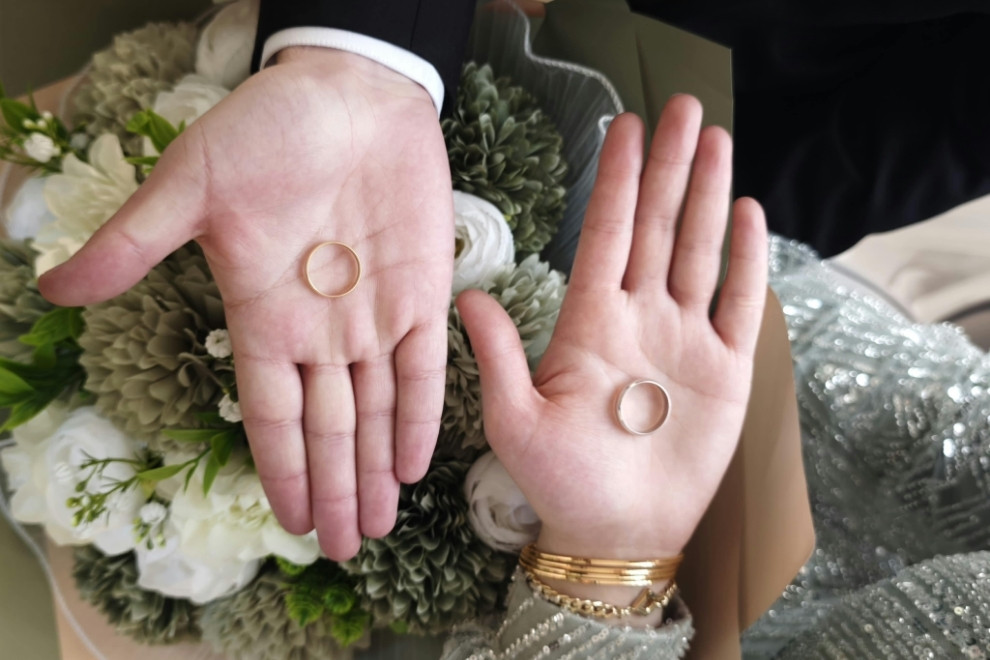
The wedding ring finger carries centuries of history, and it keeps evolving with every couple who steps into marriage. Whether you follow the classic left-hand tradition, embrace a right-hand custom, or create something entirely your own, the meaning behind the gesture stays the same. A ring, wherever it lives, represents the partnership you’re choosing every single day.
What’s your opinion? Let us know in the comments below!